
With Vegan and plant-based culinary recipes at the forefront, get ready to explore a world of flavorful dishes that are not only good for you but also easy to make. From breakfast ideas to essential ingredients, this journey will show you how to make the switch to a plant-based diet exciting and fulfilling.
Learn about the art of presentation, balancing flavors, and enhancing textures in vegan cooking. Discover how herbs and spices can take your plant-based meals to the next level.
Vegan and Plant-Based Culinary Recipes
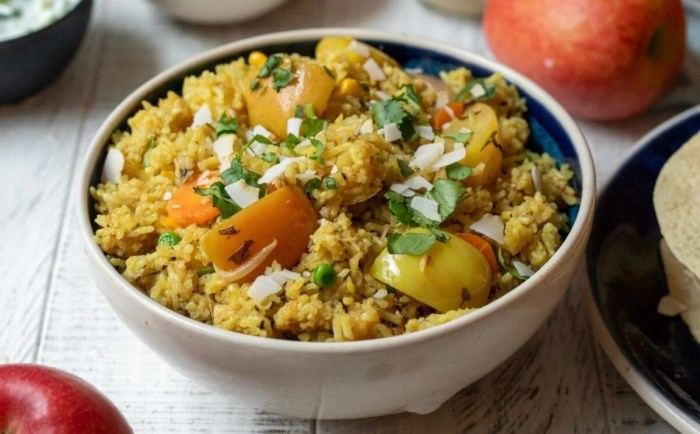
Vegan and plant-based recipes are not only delicious but also nutritious. They are a great way to explore new flavors and ingredients while promoting a healthier lifestyle.
Breakfast Recipes
- Avocado toast with cherry tomatoes and balsamic glaze
- Chia seed pudding with fresh berries and almond butter
- Vegan banana pancakes with maple syrup
- Tofu scramble with spinach, mushrooms, and nutritional yeast
Essential Ingredients in Vegan Cooking
- Legumes (beans, lentils, chickpeas)
- Whole grains (quinoa, brown rice, oats)
- Nuts and seeds (almonds, chia seeds, flaxseeds)
- Plant-based milk (almond, soy, coconut)
- Fruits and vegetables (spinach, kale, berries, avocado)
Benefits of a Plant-Based Diet
Following a plant-based diet can have numerous health benefits, including:
- Lower risk of heart disease
- Improved digestion and gut health
- Weight management and potential weight loss
- Increased energy levels and overall well-being
Substituting Dairy and Meat Products
When substituting dairy and meat products in traditional recipes, consider using:
- Coconut milk or almond milk instead of dairy milk
- Tofu or tempeh in place of meat in stir-fries or curries
- Nutritional yeast as a cheese alternative for added flavor
- Plant-based butter or coconut oil for baking and cooking
COOKING AND CULINARY
Presentation plays a crucial role in the culinary arts as it enhances the overall dining experience. The visual appeal of a dish can greatly influence how it is perceived and enjoyed by diners.Balancing flavors is essential in vegan dishes to create a harmonious taste profile. By combining sweet, salty, sour, bitter, and umami flavors in the right proportions, you can elevate the dish and make it more satisfying.
Enhancing Texture of Plant-Based Meals
When preparing plant-based meals, consider using a variety of cooking techniques to enhance the texture. Grilling, roasting, sautéing, or even marinating ingredients can add depth and complexity to the dish.
- Experiment with different plant-based proteins like tofu, tempeh, seitan, or legumes to create a variety of textures in your dishes.
- Adding crunchy elements like toasted nuts, seeds, or breadcrumbs can provide a contrast to softer ingredients, adding interest to the overall dish.
- Consider incorporating vegetables with varying textures, such as crispy raw veggies alongside creamy mashed potatoes, to create a more dynamic eating experience.
Role of Herbs and Spices in Vegan Recipes
Herbs and spices are essential in vegan cooking to add depth, complexity, and aroma to dishes. They can elevate the taste of plant-based meals and make them more flavorful and appealing.
- Experiment with different herbs like basil, cilantro, mint, or parsley to add freshness and brightness to your dishes.
- Spices like cumin, paprika, turmeric, or cinnamon can bring warmth and depth to vegan recipes, enhancing their overall flavor profile.
- Don’t be afraid to mix and match herbs and spices to create unique flavor combinations that suit your taste preferences.
Ending Remarks
In a nutshell, Vegan and plant-based culinary recipes offer a gateway to a healthier lifestyle without compromising on taste. Try out these recipes, experiment with flavors, and let your creativity shine in the kitchen. Embrace the world of plant-based cooking and savor every bite!
FAQ Guide
Can I use regular milk in vegan recipes?
No, vegan recipes require plant-based milk alternatives like almond milk, soy milk, or oat milk.
How can I add protein to plant-based meals?
You can incorporate ingredients like tofu, tempeh, lentils, beans, quinoa, and chickpeas for a protein boost.
Are vegan desserts healthy?
Vegan desserts can be healthy if they are made with wholesome ingredients like fruits, nuts, and natural sweeteners in moderation.


